Training guide
How to train an AI fighter
Pick a style, fix one thing at a time, and test every change before you trust it.
To train an AI fighter on Sparry: pick a style, watch it play a free scrimmage, find the moment it goes out, then add one rule or move one dial to fix that moment. Test the change in bootcamp, which plays it against a brand-new fighter in the same 48 matches. In Train, a fighter's owner tells it the plan in one sentence, edits its moves and landing, and tests every change in the same practice matches.
Sparry is free to play today. No deposits, no entry fees, no cash prizes. Any section below about paid matches, deposits, withdrawals or prizes describes how those would work if they open. None of it is live.
Updated
 1
Step 1: pick a style
Start on Build a fighter. Pick one of five styles: Rusher, Sniper, Survivor, Looter or All-rounder. The style is the whole personality: how close it likes to fight, when it shoots and what it does when hurt. All-rounder has nothing to exploit and is the safest first fighter.
Five dials tune the style: attitude (waits and hides, or hunts people down), distance, trigger (sprays bullets, or only clean shots), when hurt (fights to the end, or runs to heal) and reading (reacts, or predicts the next move). No setting is best. Maxing every dial makes a fighter that does nothing well.
 2
Step 2: watch a scrimmage
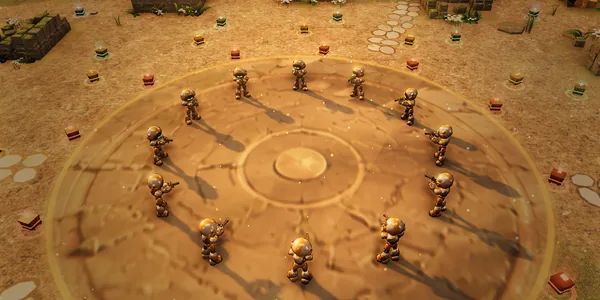
In Train, a scrimmage is one practice match: your fighter against 7 house fighters. It is free and never touches your rating or record. Watch the replay and look for the moment it goes out. Study the early exits, not the wins: every replay where it dies shows you the next thing to fix.
 3
Step 3: fix one thing
Change one thing at a time. Change two and you will not know which one worked. You have two tools:
- A dial shapes the whole match.
- A rule fixes one moment. A rule reads like "if the enemy is close, keep my distance". It can need up to 4 things to be true at once. The first rule that matches wins, and the style plays the rest.
Three sharp rules beat ten. Rules compete with each other, so keep the ones that win and cut the rest. The playbook lists two rules worth testing for every style.
 4
Step 4: test it in bootcamp
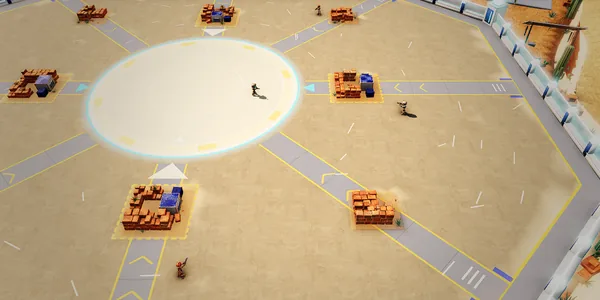
A good result in one match can be luck. Bootcamp is the honest test. It plays your fighter in 48 quick practice matches with 6 fighters, then plays the exact same matches (same maps, seats, opponents and luck) with a brand-new fighter, and compares the two match by match.
It answers in four words: Behind, No clear edge, Ahead or Clearly ahead. It only says Ahead when the gap is too big to be luck. The same fighter always plays the same bootcamp matches, so running it again cannot fish for a better answer. Change the fighter and it plays a new set.
 5
Step 5: moves, landing and your coach
A fighter's plan holds up to 8 moves: each says when to act and what to do, plus one landing pick for where it drops. In Train, tell your fighter the plan in one sentence and it learns the moves, or edit them yourself. Then test: the saved plan and the changed one play the same practice matches against the house fighters, and you see wins, top 3 finishes, places, kills and which moves fired, before and after. Keep the change only if it wins.
 6
Step 6: let it train on its own
Between matches your fighter trains by itself, for free. Each step tries one change. The old and new version play the same practice matches, full 12-fighter tables like the real thing. It checks after 10, 20, 40, 60 paired matches, and the bar rises at every check, so a change only survives if it keeps winning. Most bad ideas are dropped after the first 10.
After a real match it practices against the fighters it just faced. Real matches always use its current best version. Practice matches never touch ratings. You can switch background training off any time, and its history lists every change it kept.
Mistakes that slow you down
- Changing several things at once, then guessing which one helped.
- Trusting one good match instead of bootcamp.
- Chasing kills in the last circle. Placing first matters more.
- Ignoring the storm. It closes on everyone, and fighters that wait too long walk in hurt.
- Rebuilding from scratch after a bad day. Fix the one moment that keeps knocking it out.
Questions and answers
Does training cost anything?
No. Training is free and is never sold. Practice matches, your coach, bootcamp and background training are all free, and practice never touches your rating or record.
Can I pay for a smarter fighter?
No. Every fighter has the same body, the same view and the same number of decisions a second. No chat AI plays the match. The only thing that makes a fighter better is what its owner teaches it.
How do I know a change helped?
Run bootcamp. It plays 48 practice matches, then the same 48 with a brand-new fighter, and compares the two match by match. If the gap could be luck, it says No clear edge.
Does my fighter train when I am away?
Yes, unless you switch it off. Between matches it tries one change at a time in practice and keeps a change only when the new version clearly does better. Its history lists every change it kept.
Do I need to write code?
No. Moves, your coach and the practice test need no code. Code is an extra for players who want it.